

Why AL-Go
AL-Go is the fastest way to get started with a production ready development process out of the box.
Production ready is key here, its not only fast but more importantly well maintained. This makes it easier to keep up with the rapid paste Microsoft introduces with each release.
Well architected solution contains a large number of apps – which capsulate different independent parts. Dealing with a large number of apps provides some challenges in itself. Handling dependencies becomes more difficult the more interconnection you are creating. Maintaining all your different CI/CD Workflows also become more difficult the more apps you have.
These and many more problem are already solved when switching to AL-Go.
So, lets switch right?
Yes – but what’s the right way for you?
The easiest way is obviously to start fresh. If that’s possible for you can start here: https://github.com/microsoft/AL-Go#README.md - its a great resource to get an in depth start into AL-Go.
But what if you have an existing solution you want to migrate to AL-Go?
The AL-Go Team provides step by step explanation. https://github.com/microsoft/AL-Go#migration-scenarios
Wouldn’t it be cool If you can handle the most part of the migration fully automatic? – Of course it would be cool. That's why we've created the AL-Go-Import Template. You can find it at https://github.com/byndit/AL-Go-Import.
Let’s have a look how it works.
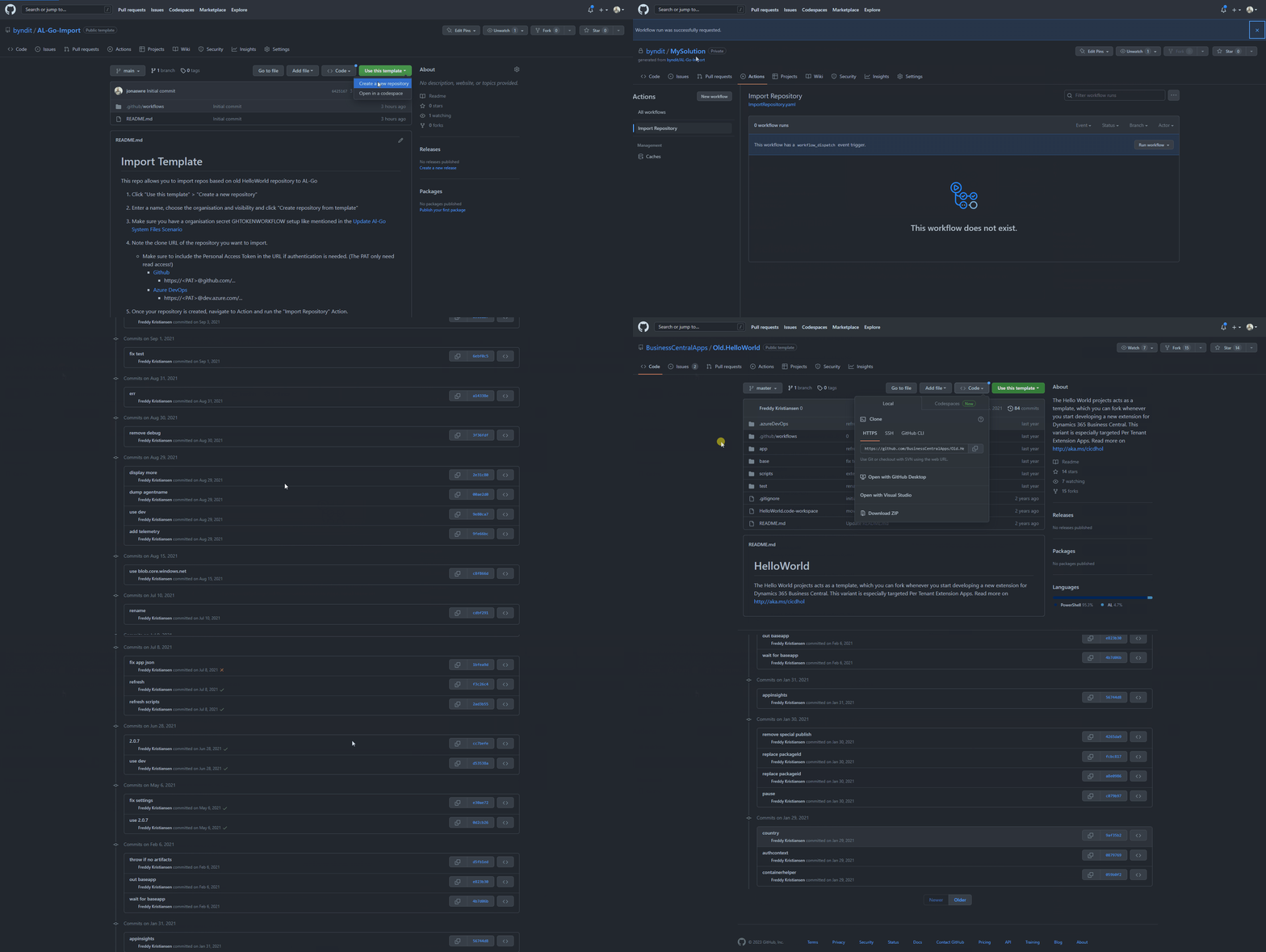
For a step-by-step guide just follow this link:

